
Best Tech Stack for SaaS (2026 Guide)
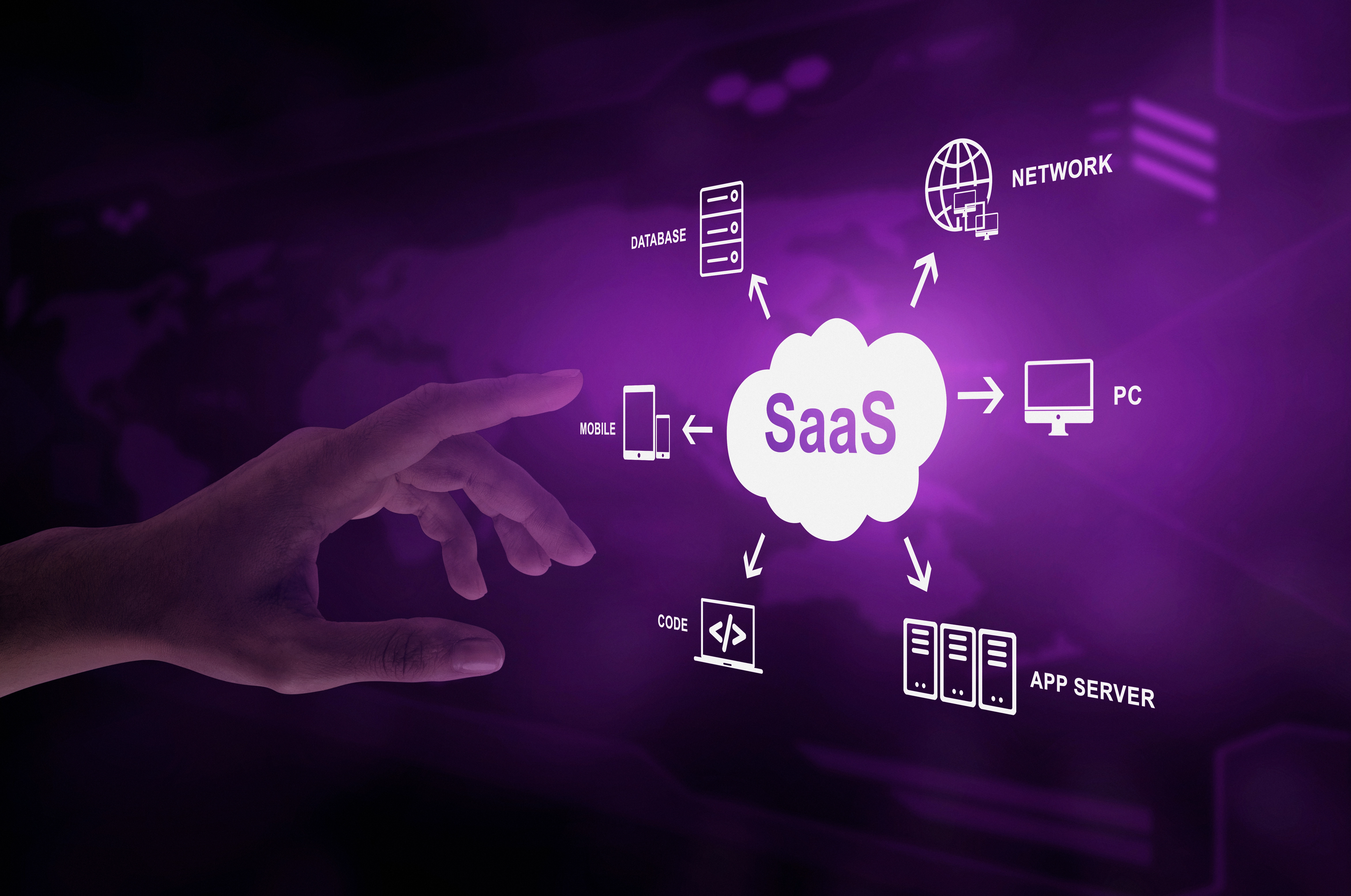
Choosing the right tech stack is one of the most important decisions in SaaS development. The technology stack you select affects product scalability, performance, security, and long-term maintenance. This guide outlines the best tech stack for SaaS products in 2026, helping startups and businesses build reliable and future-ready applications.
What Is a Tech Stack in SaaS Development?
A tech stack refers to the combination of programming languages, frameworks, tools, and infrastructure used to build and run a SaaS application. It typically includes frontend technologies, backend frameworks, databases, cloud services, and DevOps tools. A well-chosen tech stack enables faster development and smoother scalability.
Key Factors to Consider When Choosing a SaaS Tech Stack
When selecting a tech stack for SaaS development, businesses should consider scalability, performance, security, development speed, and community support. Cost efficiency, ease of maintenance, and compatibility with third-party integrations are also critical factors.
Best Frontend Technologies for SaaS
Modern SaaS products rely on responsive and interactive user interfaces. Popular frontend technologies include React for component-based development, Vue.js for flexibility, and Angular for enterprise-grade applications. These frameworks support fast development and provide excellent user experience.
Best Backend Technologies for SaaS
The backend handles business logic, APIs, authentication, and data processing. Common backend technologies for SaaS include Node.js for real-time applications, Python with Django or FastAPI for rapid development, and Java or .NET for large-scale enterprise solutions.
Database Choices for SaaS Applications
Databases store and manage application data. Relational databases like PostgreSQL and MySQL are widely used for structured data, while NoSQL databases such as MongoDB are suitable for flexible data models. Many SaaS products use a combination of both to balance performance and scalability.
Cloud Infrastructure for Scalable SaaS
Cloud platforms enable SaaS products to scale globally. AWS, Microsoft Azure, and Google Cloud offer managed services for hosting, storage, networking, and security. Cloud-native services help SaaS teams deploy faster and manage infrastructure efficiently.
DevOps & CI/CD Tools for SaaS
DevOps tools streamline development and deployment processes. Technologies like Docker and Kubernetes support containerization and orchestration, while CI/CD tools such as GitHub Actions and GitLab CI enable automated testing and deployment. These practices improve reliability and release speed.
Security & Compliance Considerations
Security is critical for SaaS applications, especially those handling sensitive data. Implementing authentication, authorization, encryption, and regular security audits helps protect user data. Compliance with standards such as GDPR and SOC 2 is essential for serving global customers.
Choosing the Right Tech Stack for Your SaaS Product
The best tech stack for SaaS depends on your product goals, team expertise, and target audience. Startups should focus on speed and flexibility, while enterprises may prioritize stability and compliance. Consulting experienced SaaS development teams can help ensure the right technology decisions.
Conclusion
Selecting the best tech stack for SaaS development lays the foundation for long-term success. By choosing modern, scalable, and secure technologies, businesses can build SaaS products that perform well, scale efficiently, and adapt to evolving market needs.